IcarusNova undertook an in-depth service design and research project to better understand how people deal with everyday home maintenance challenges such as plumbing, electrical repairs, and woodwork. The study began by identifying two key user groups: urban, tech-savvy residents who regularly used digital platforms to book home services, and skilled service providers who operated both through these apps and via informal, word-of-mouth networks.
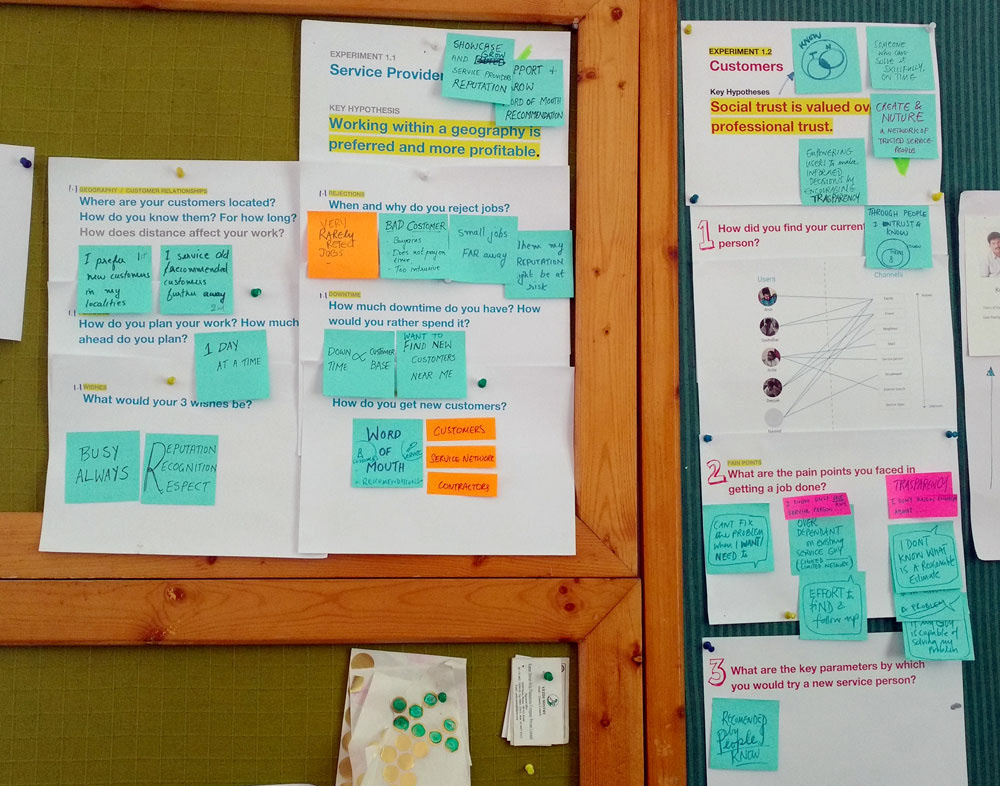
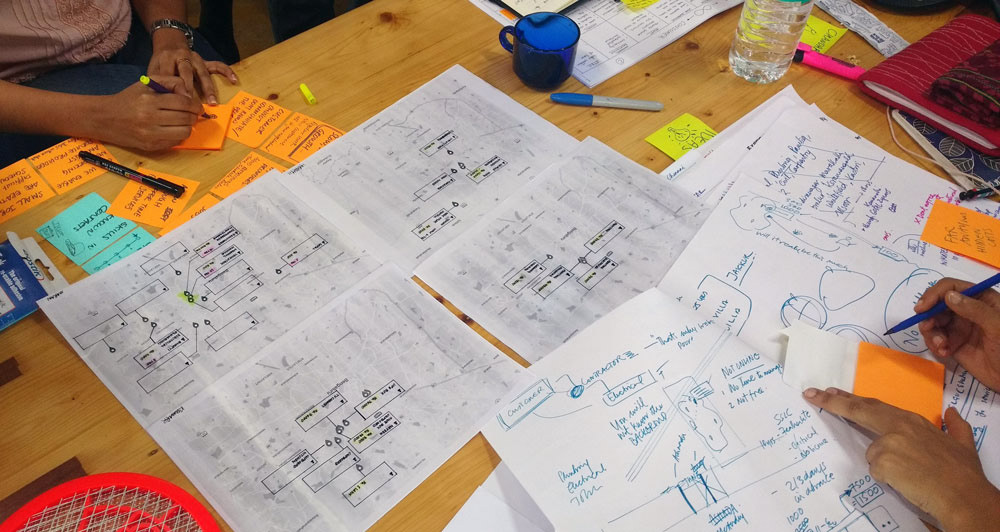
The research combined interviews, shadowing, and contextual inquiries, allowing the team to uncover not just behaviors, but also motivations, trust factors, and decision-making patterns in real-life scenarios.
The research combined interviews, shadowing, and contextual inquiries, allowing the team to uncover not just behaviors, but also motivations, trust factors, and decision-making patterns in real-life scenarios.
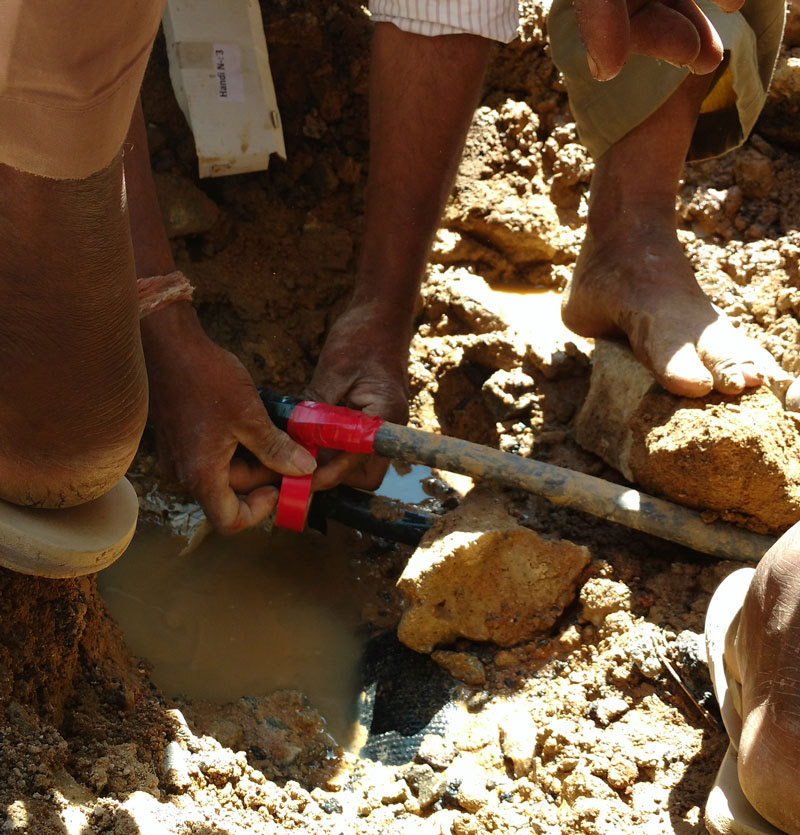
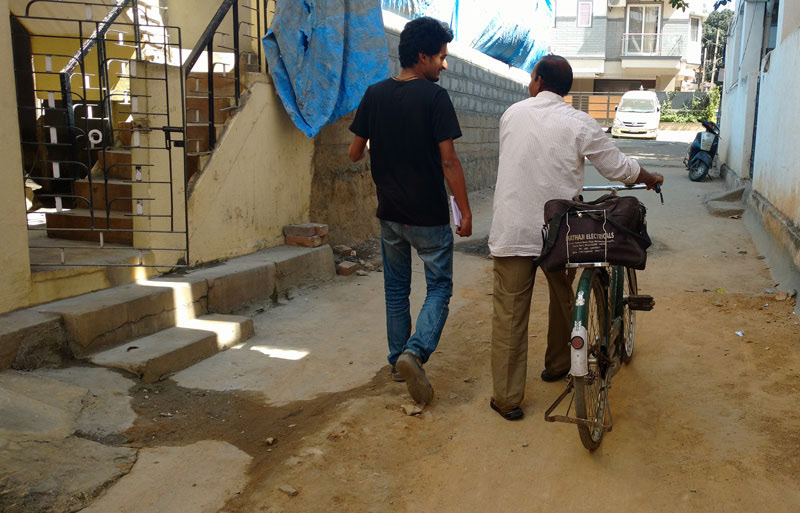
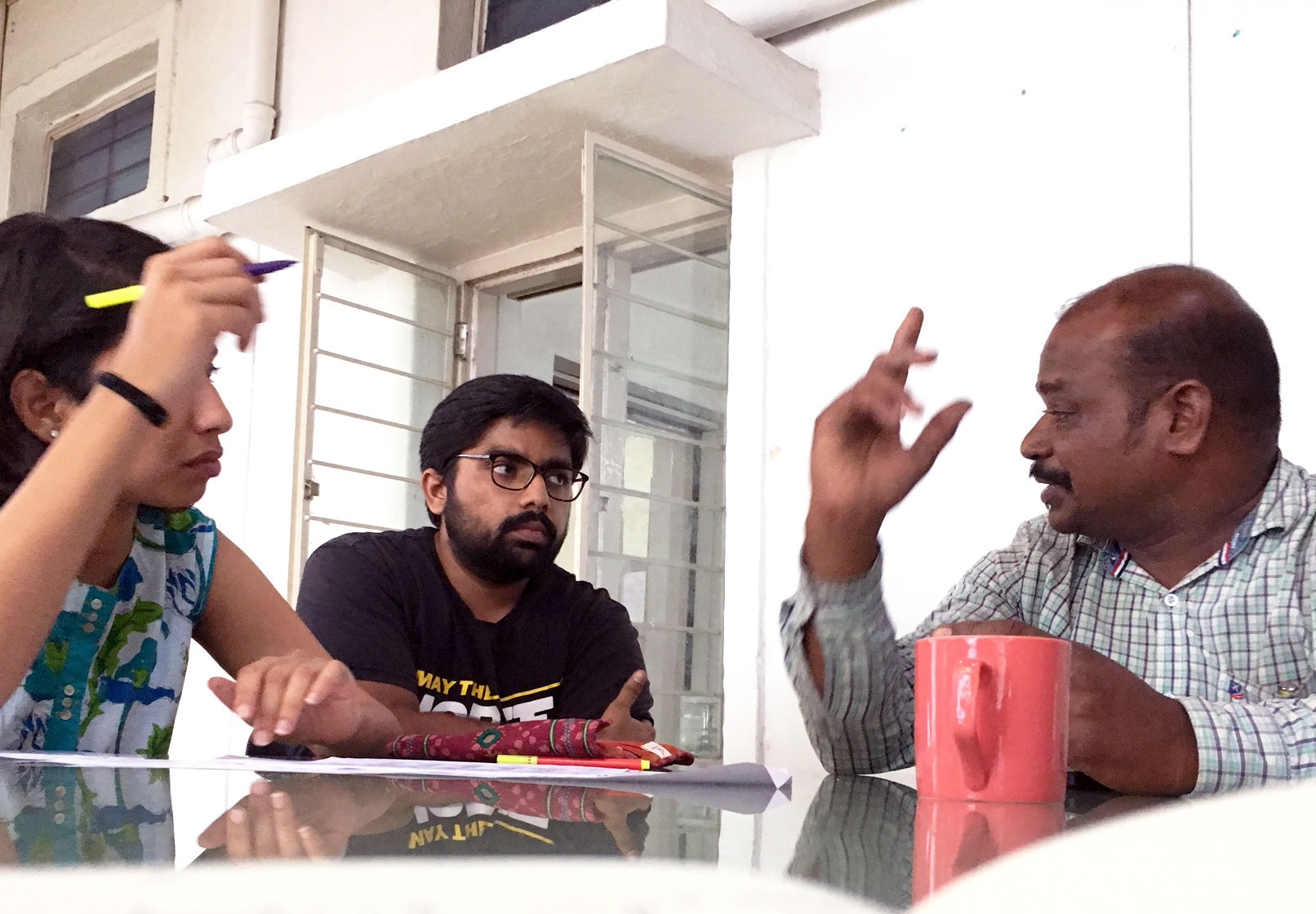
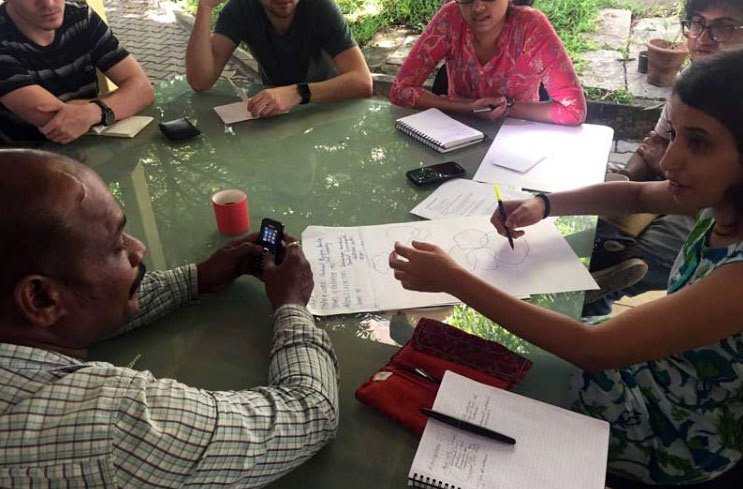
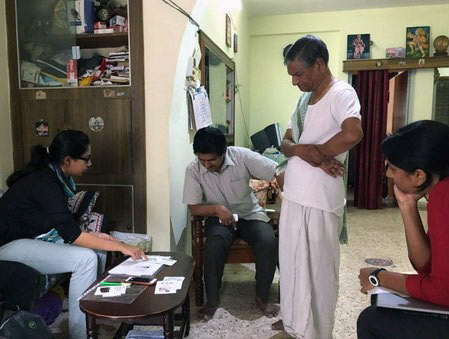
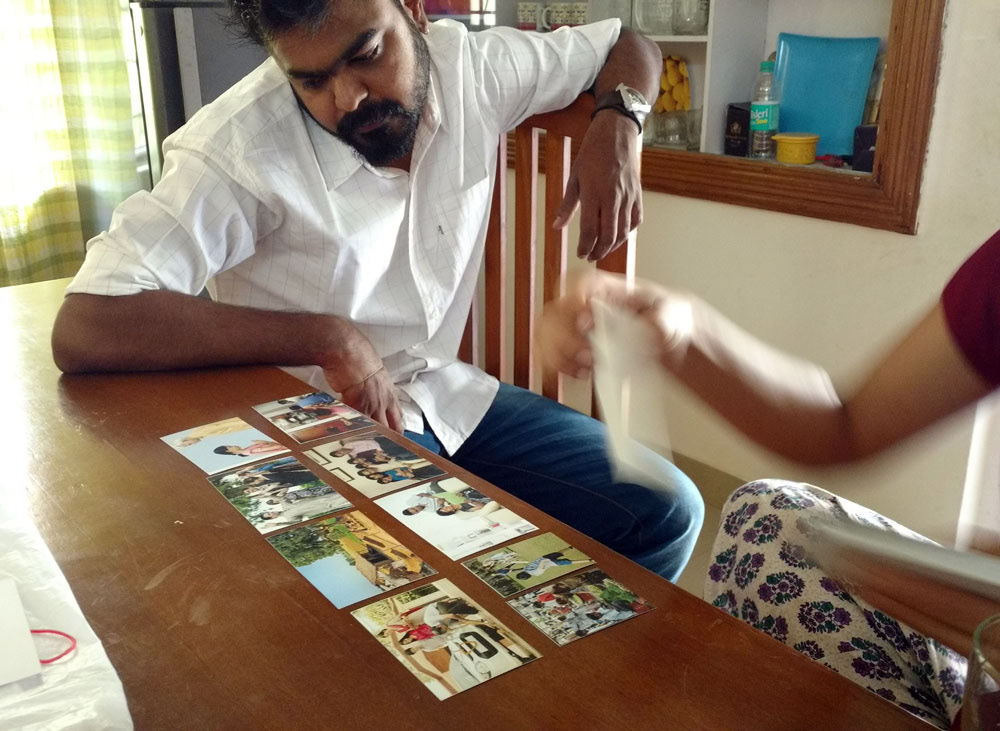
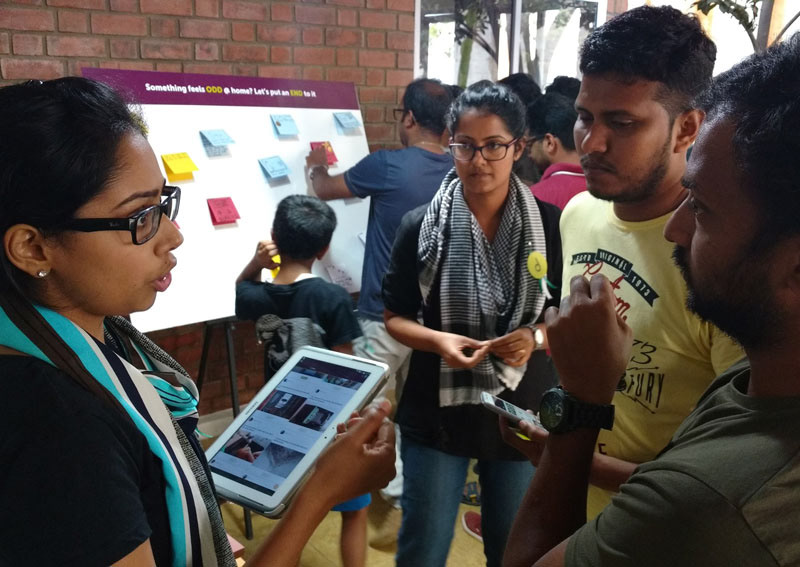
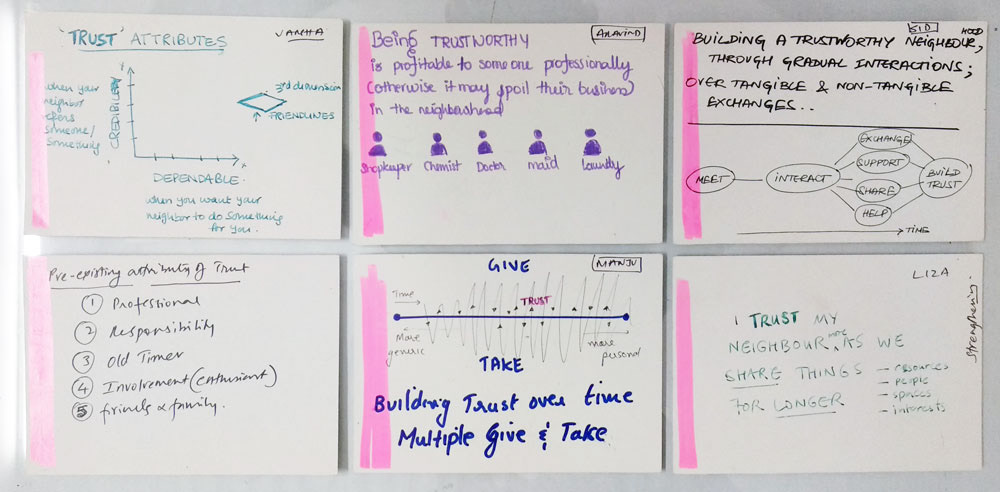
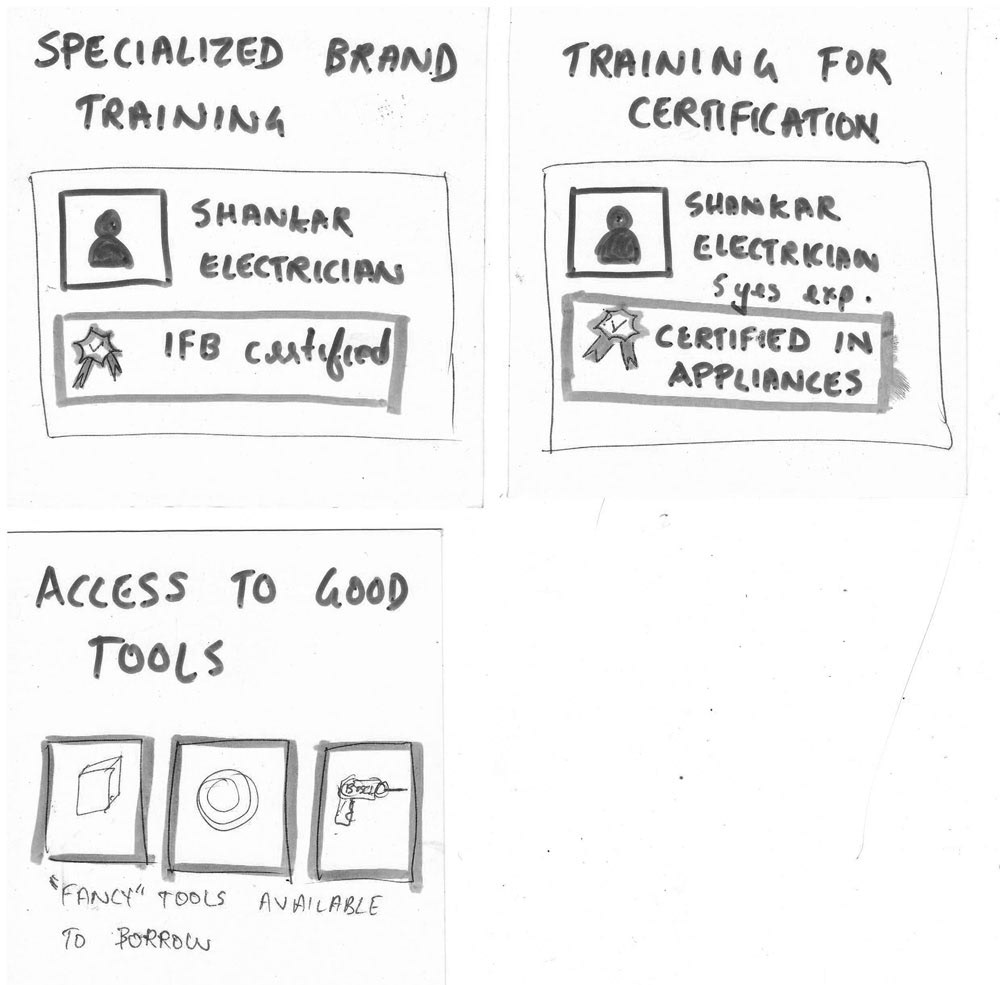
One of the most significant insights was the enduring power of trust and word-of-mouth recommendations. Despite the rise of digital platforms, both residents and service professionals heavily relied on trusted referrals within their neighborhoods. These recommendations acted as a strong filter for quality and reliability, often outweighing app ratings or promotional content.
Other key insights gathered from the service providers were :
Hyper local focus improves earnings.
Flexibility and control over jobs matter.
Simple, accessible communication drives adoption.
For residents, a known or recommended professional reduced perceived risk. For service providers, it created a steady flow of work grounded in trust. This informal network effectively built transactional relationships that often evolved into long-term service dependencies.
Other key insights gathered from the residents were :
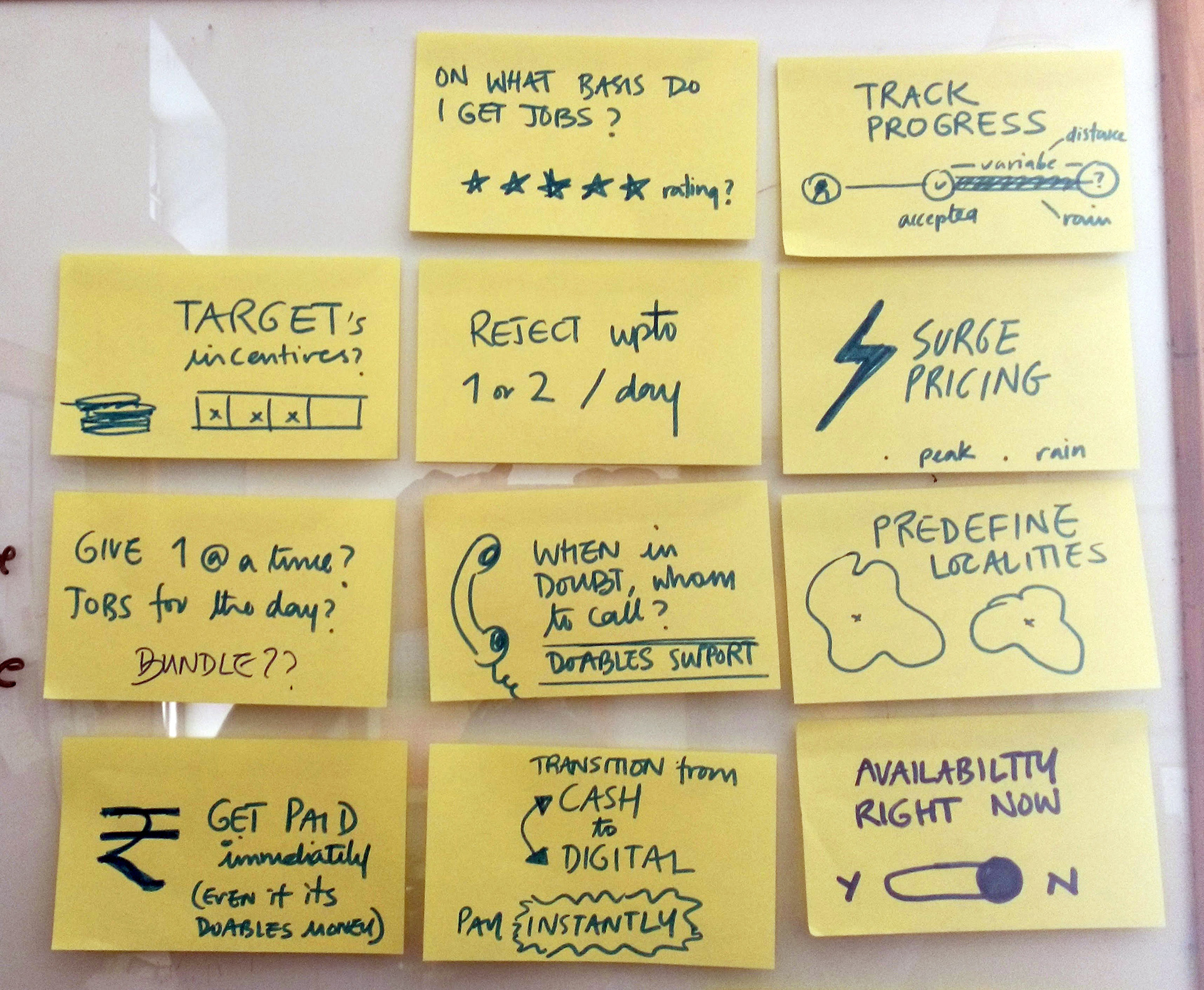
They are willing to pay for reliability, urgency, and expertise.
Fast and clear problem communication is essential.
Recognition and incentives drive engagement.
Other key insights gathered from the service providers were :
Hyper local focus improves earnings.
Flexibility and control over jobs matter.
Simple, accessible communication drives adoption.
For residents, a known or recommended professional reduced perceived risk. For service providers, it created a steady flow of work grounded in trust. This informal network effectively built transactional relationships that often evolved into long-term service dependencies.
Other key insights gathered from the residents were :
They are willing to pay for reliability, urgency, and expertise.
Fast and clear problem communication is essential.
Recognition and incentives drive engagement.
Another key finding highlighted a segment of users who preferred a “DIY-first” approach. These individuals possessed basic tools and a certain level of confidence in handling minor repairs. They frequently turned to online tutorials, forums, or videos to troubleshoot issues before considering professional help.
However, when problems became too complex or time-consuming, they would shift to hiring experts. This behavior revealed an opportunity to support users across the full spectrum—from self-reliance to professional assistance—rather than treating them as entirely separate categories.
However, when problems became too complex or time-consuming, they would shift to hiring experts. This behavior revealed an opportunity to support users across the full spectrum—from self-reliance to professional assistance—rather than treating them as entirely separate categories.
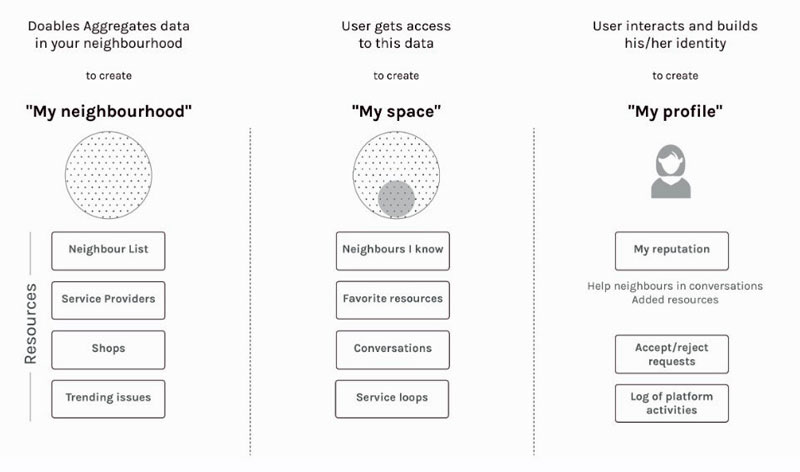
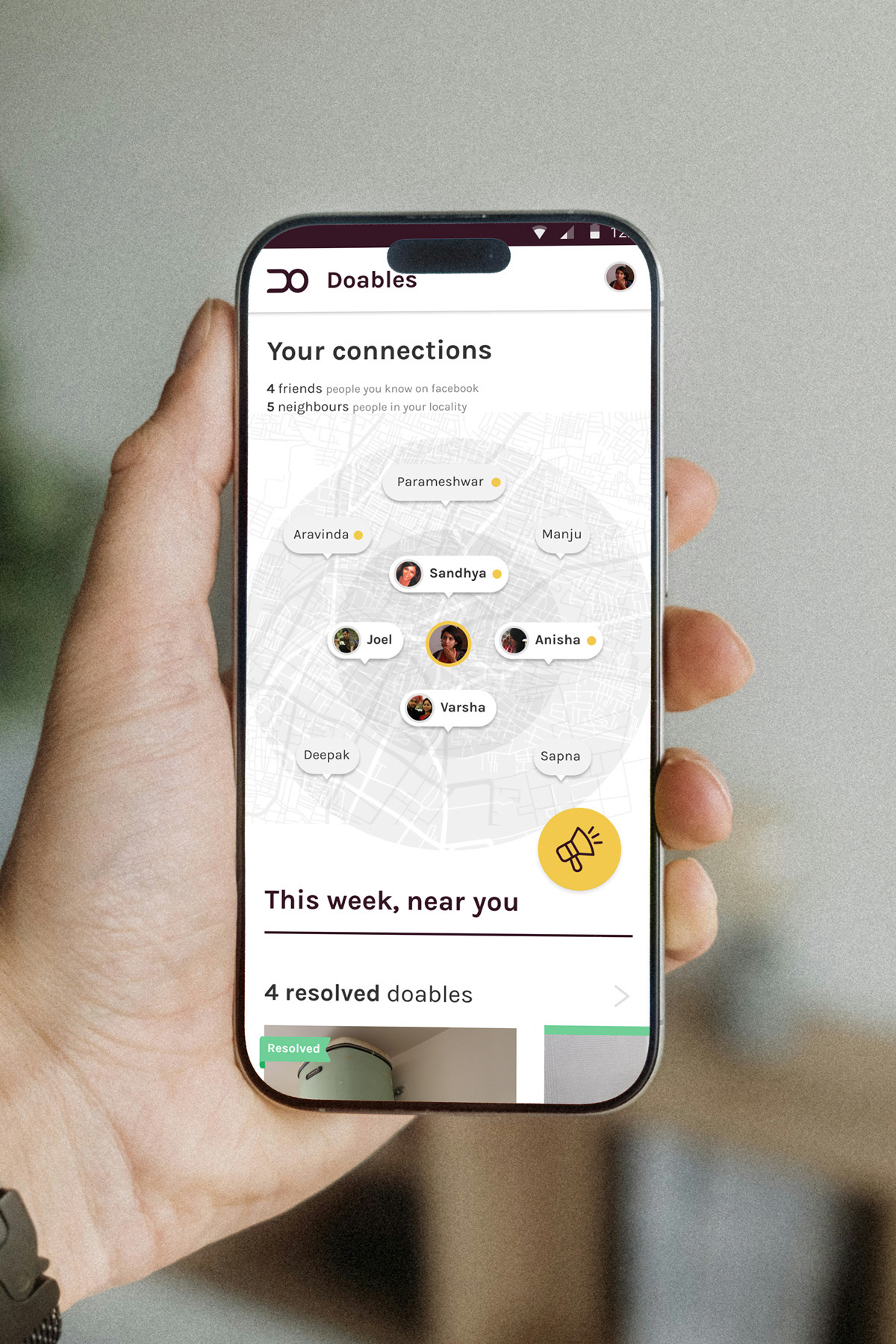
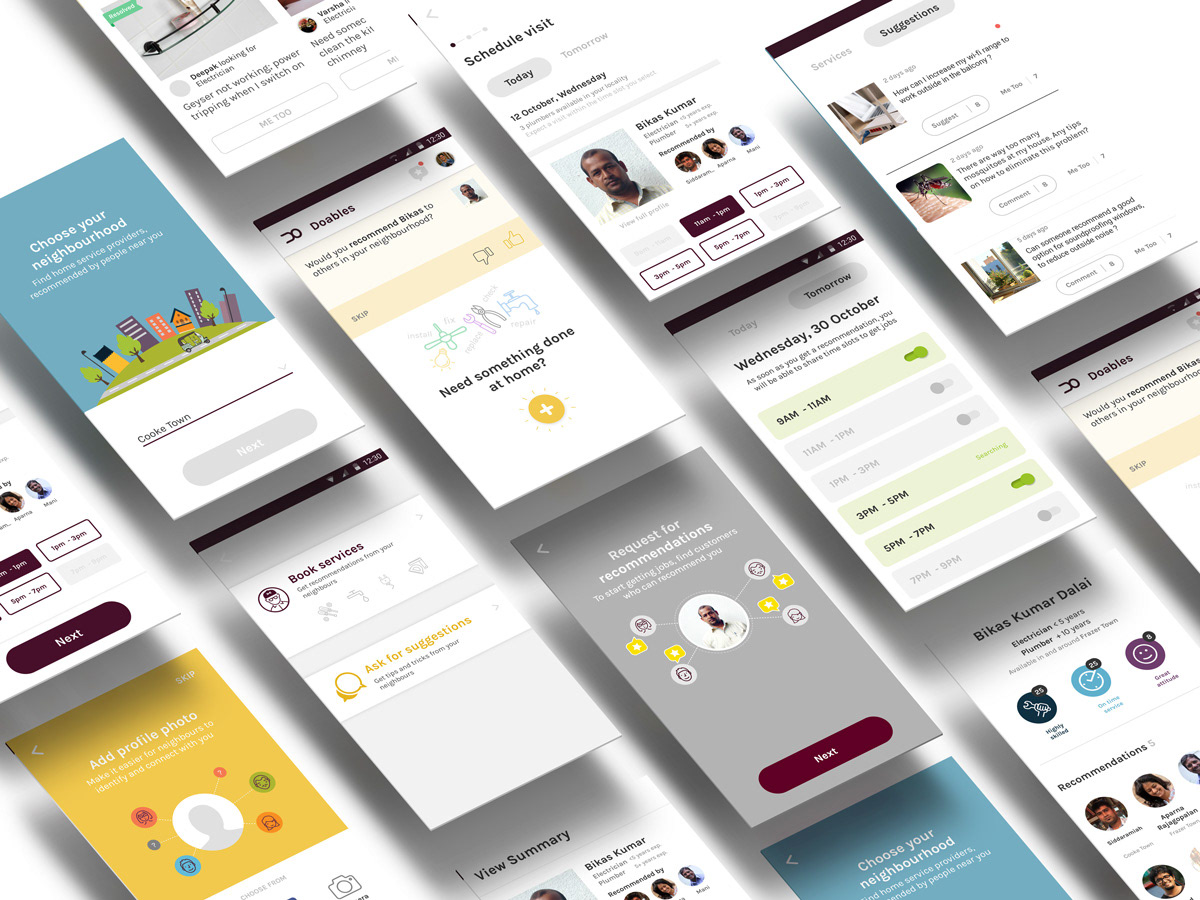
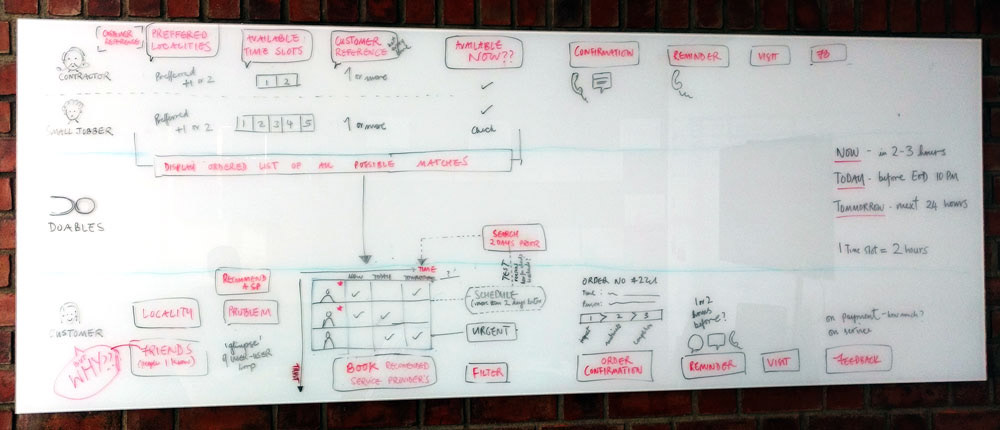
Building on these insights, IcarusNova designed a service ecosystem centered around the concept of virtual neighborhoods. This platform enabled residents to connect within trusted local communities where they could discover, review, and hire verified service professionals recommended by their peers.
At the same time, it created a space for DIY enthusiasts to share solutions, tips, and experiences. By blending community trust with digital convenience, the service bridged the gap between informal networks and structured platforms, offering users a more reliable and relatable way to solve home maintenance problems.
At the same time, it created a space for DIY enthusiasts to share solutions, tips, and experiences. By blending community trust with digital convenience, the service bridged the gap between informal networks and structured platforms, offering users a more reliable and relatable way to solve home maintenance problems.
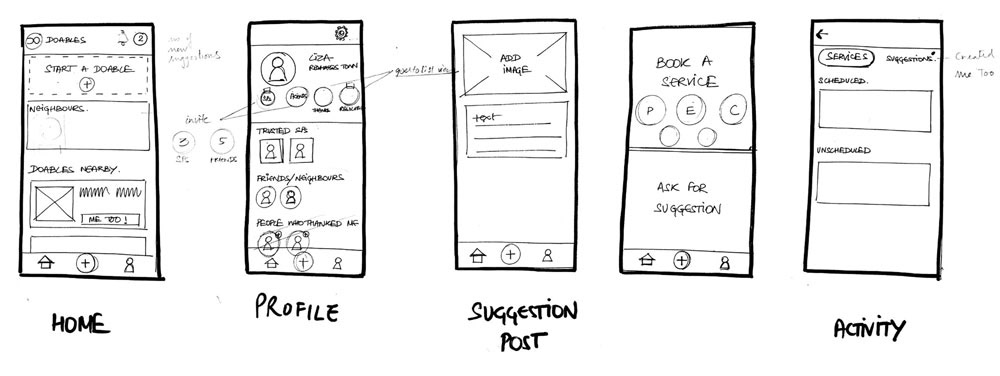
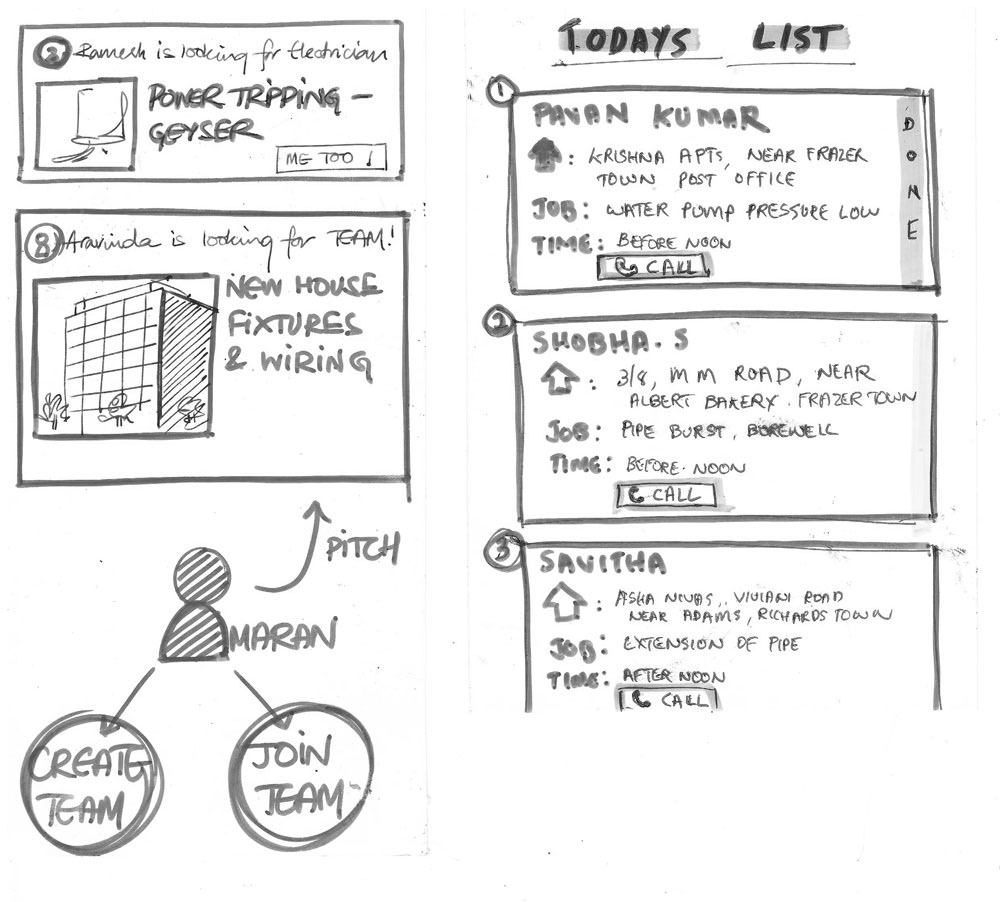
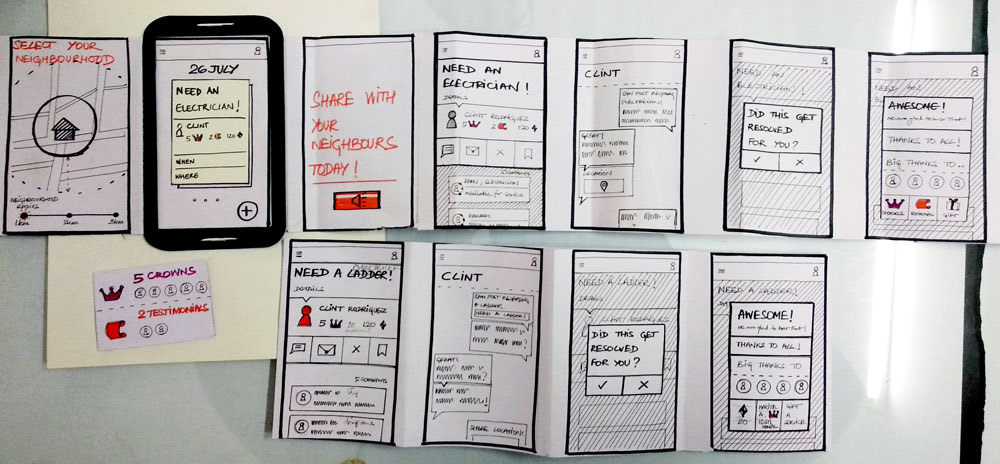
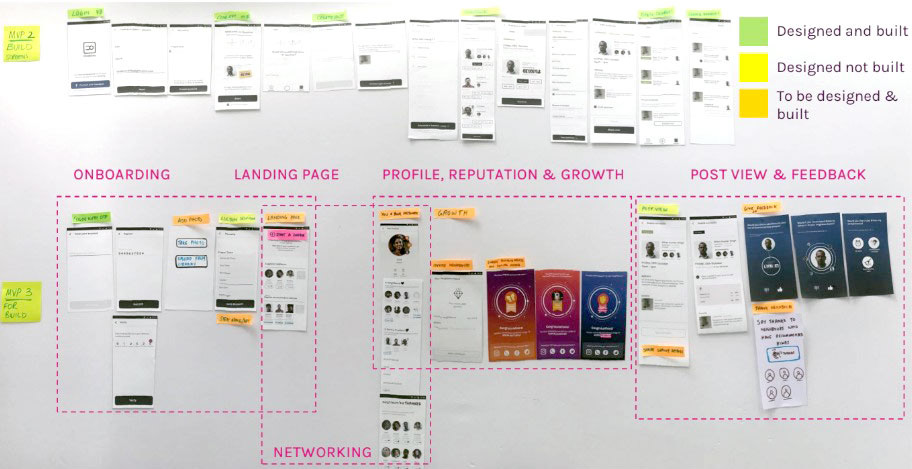
The solution was developed through three iterative MVP stages over a span of 14 months. Each phase involved rigorous field research, including recruiting residents and service professionals such as electricians, plumbers, and carpenters to actively participate in testing.
Multiple versions of resident-facing apps, provider interfaces, and back-end coordination systems were prototyped and refined based on real-world feedback. This continuous loop of design, testing, and learning ensured that the final service was not only functional, but deeply aligned with user behaviors, trust dynamics, and the realities of everyday home maintenance.
Multiple versions of resident-facing apps, provider interfaces, and back-end coordination systems were prototyped and refined based on real-world feedback. This continuous loop of design, testing, and learning ensured that the final service was not only functional, but deeply aligned with user behaviors, trust dynamics, and the realities of everyday home maintenance.